Key Takeaways
- Establish a realistic spending limit before starting and include a contingency fund to cover unexpected repairs or hidden issues.
- Prioritize essential improvements such as fixing leaks, improving ventilation, upgrading lighting, and enhancing storage before focusing on cosmetic changes.
- Keeping the existing plumbing layout can significantly reduce labor and material costs while still allowing for a fresh new look.
- Compare material options carefully and look for durable, cost-effective alternatives that provide long-term value without sacrificing style.
- Take on suitable DIY tasks, such as painting or installing accessories, while leaving specialized work like plumbing and electrical projects to qualified professionals.
- Invest in quality fixtures and water-efficient features that can lower maintenance requirements and reduce utility expenses over time.
- Monitor expenses throughout the project and avoid unnecessary mid-renovation changes that can quickly increase overall costs.
A bathroom renovation can dramatically improve the comfort, functionality, and value of your home, but many homeowners assume that updating this important space requires a large financial investment. The truth is that with careful planning, smart decision-making, and a clear understanding of priorities, it is possible to achieve impressive results without overspending. Whether you are refreshing an outdated guest bathroom or transforming a heavily used primary bath, a budget-conscious approach can help you maximize every dollar.
By focusing on essential improvements, comparing costs, and avoiding common mistakes, you can create a bathroom that feels modern, practical, and welcoming while staying within your financial limits.
Why is Planning So Important Before You Start?
Many renovation projects exceed their original budgets because homeowners jump into construction before fully understanding the scope of work. While it can be tempting to begin demolition immediately, successful projects usually start with detailed planning. A well-developed plan helps identify your goals, establish realistic spending limits, and reduce the likelihood of costly surprises during construction.
Planning also allows you to compare materials, explore alternative solutions, and determine which improvements will deliver the greatest value. Instead of making rushed decisions under pressure, you can carefully evaluate your options and prioritize upgrades that align with your budget.
Another major benefit of planning is that it helps create a realistic timeline. Delays can increase costs through additional labor charges, temporary accommodations, or expedited shipping fees for materials. A clear schedule minimizes these risks and keeps the project moving efficiently.
When planning your renovation, consider:
- Your primary goals for the space
- Decide whether your focus is aesthetics, functionality, accessibility, storage, or a combination of these factors.
- The amount you can realistically spend
- Establish a firm budget based on your financial situation and avoid relying on optimistic estimates.
- Potential hidden costs
- Plumbing repairs, water damage, mold remediation, and electrical upgrades can significantly affect expenses.
- Project timing
- Renovating during slower seasons may help reduce contractor costs and improve scheduling flexibility.
The more preparation you complete before construction begins, the easier it becomes to manage costs and avoid unnecessary stress.
How Much Should You Budget for the Project?
Setting a realistic budget is one of the most important steps in any renovation. Without clear financial boundaries, expenses can quickly escalate. Homeowners often underestimate the total cost of materials, labor, permits, and unexpected repairs, making it essential to account for all potential expenses before work begins.
Start by determining the maximum amount you are comfortable spending. Then break the budget into categories to better understand where your money will go. This approach helps prevent overspending in one area while neglecting another.
Typical budget categories include:
- Fixtures and fittings
- Toilets, sinks, faucets, showerheads, and bathtubs often represent a significant portion of renovation costs.
- Flooring and wall finishes
- Tile, waterproof wall panels, paint, and grout should all be included in your calculations.
- Labor
- Contractors, plumbers, electricians, and tile installers typically account for a large percentage of project expenses.
- Lighting and ventilation
- Improved lighting and proper airflow can enhance comfort while protecting the room from moisture-related issues.
- Storage solutions
- Vanities, cabinets, shelves, and organizers contribute to both aesthetics and functionality.
Experts often recommend setting aside an additional 10–20% contingency fund to cover unexpected issues. This reserve can help prevent financial strain if hidden damage or unforeseen complications arise during construction.
What Features Should You Prioritize?
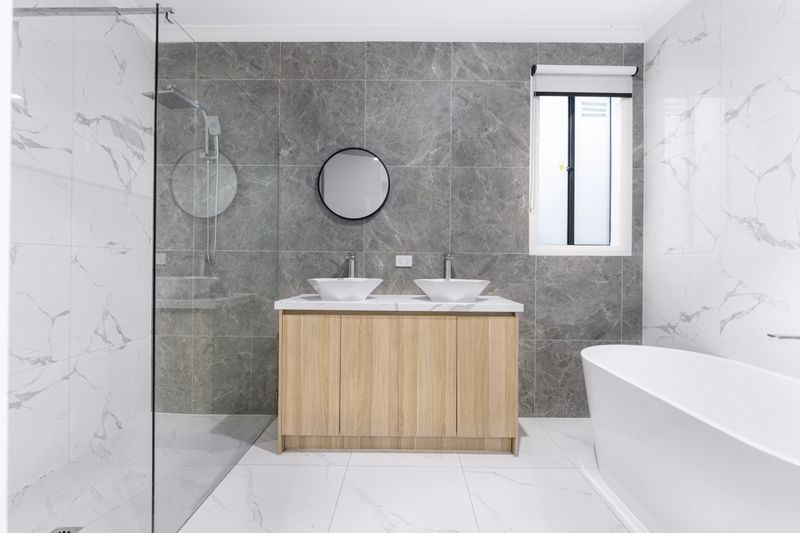
A limited budget requires careful prioritization. Rather than attempting to replace every component in the room, focus on upgrades that provide the greatest impact on appearance, functionality, and long-term value.
Begin by identifying the elements that are most outdated, damaged, or inefficient. These areas often deliver the highest return on investment when improved.
Priority upgrades may include:
- Fixing leaks and water damage
- Addressing underlying problems prevents future repairs and protects your investment.
- Improving storage
- Better organization can dramatically improve daily usability.
- Updating lighting
- Modern fixtures make bathrooms feel brighter and more inviting.
- Replacing worn fixtures
- New faucets and showerheads can instantly refresh the room’s appearance.
- Enhancing ventilation
- Proper airflow helps prevent mold growth and extends the life of materials.
By focusing on essential improvements first, you can create meaningful change without exceeding your budget.
Can You Keep the Existing Layout?
One of the fastest ways to increase renovation costs is by moving plumbing fixtures. Relocating toilets, sinks, bathtubs, or showers often requires extensive plumbing modifications that add both labor and material expenses.
Keeping the existing layout can generate substantial savings while still allowing for significant visual improvements. Instead of changing the room’s footprint, consider upgrading the fixtures within their current locations.
Benefits of maintaining the existing layout include:
- Lower plumbing costs
- Reduced labor requirements
- Faster project completion
- Fewer permit complications
- Less disruption to adjacent spaces
Many beautiful bathroom transformations are achieved without altering the room’s basic structure. Strategic cosmetic upgrades can often deliver the fresh appearance homeowners desire while preserving the existing plumbing configuration.
How Can You Save Money on Materials?
Material selection plays a major role in determining the final cost of your renovation. Fortunately, many affordable alternatives now provide the appearance of premium materials without the premium price tag.
Rather than focusing solely on luxury products, evaluate durability, maintenance requirements, and overall value. Some mid-range options perform exceptionally well and offer excellent long-term savings.
Ways to reduce material costs include:
- Compare multiple suppliers
- Prices can vary significantly between retailers.
- Consider porcelain instead of natural stone
- Porcelain offers durability and style at a lower cost.
- Use larger tiles
- Fewer grout lines can reduce installation time and maintenance.
- Refinish instead of replace
- Bathtubs and vanities can often be restored for less than replacement costs.
- Shop clearance inventory
- Overstock and discontinued products may offer substantial discounts.
Selecting cost-effective materials does not mean sacrificing quality. Careful research can uncover attractive options that support both your design goals and your budget.
Should You Renovate Everything at Once?
Many homeowners feel pressure to complete a full renovation in a single phase. However, breaking the project into stages can make costs more manageable and reduce financial strain.
A phased approach allows you to focus on the most critical improvements first and schedule additional upgrades when resources become available. This strategy is especially useful for larger projects where immediate funding may be limited.
For example, you might:
- Repair plumbing issues.
- Upgrade fixtures.
- Replace flooring.
- Install new storage.
- Update decorative finishes.
By dividing the work into manageable stages, you can continue improving the space while maintaining greater control over spending.
Where Can DIY Work Help Reduce Expenses?
Labor often represents one of the largest renovation expenses. While some tasks require licensed professionals, others can be completed by homeowners with basic skills and proper preparation.
Understanding which jobs are suitable for DIY work can create meaningful savings without compromising safety or quality.
Potential DIY tasks include:
- Painting walls and ceilings
- Installing towel bars and accessories
- Assembling flat-pack cabinetry
- Replacing mirrors
- Applying caulk
- Minor demolition work
However, homeowners should generally leave the following to professionals:
- Electrical wiring
- Plumbing modifications
- Waterproofing systems
- Structural changes
- Gas line work
Attempting highly technical work without proper experience can lead to costly mistakes that exceed any initial savings.
How Do You Choose Fixtures That Offer the Best Value?
Fixtures are among the most visible components of any bathroom renovation. They influence appearance, performance, and long-term maintenance costs.
Rather than focusing exclusively on trends, prioritize products known for durability and reliability. High-quality fixtures often reduce future repair and replacement expenses.
When evaluating fixtures, consider:
- Water efficiency
- Low-flow models help reduce utility bills.
- Warranty coverage
- Strong warranties provide added peace of mind.
- Ease of maintenance
- Simple designs are often easier to clean and repair.
- Replacement part availability
- Readily available components simplify future maintenance.
- Finish durability
- Quality finishes resist corrosion and wear.
Investing strategically in fixtures can enhance both performance and long-term value.
What Design Choices Create a High-End Look for Less?
Many homeowners want a luxurious appearance without a luxury-level budget. Fortunately, thoughtful design decisions can significantly elevate the look of a bathroom without dramatically increasing costs.
Visual impact often comes from details rather than expensive materials. Strategic upgrades can create a sophisticated atmosphere while remaining budget-friendly.
Effective design ideas include:
- Large-format mirrors
- Mirrors make smaller bathrooms feel more spacious.
- Consistent finishes
- Coordinated hardware creates a polished appearance.
- Layered lighting
- Combining task, ambient, and accent lighting enhances depth.
- Neutral color palettes
- Timeless colors appeal to a wide range of tastes.
- Minimalist styling
- Clean lines contribute to a modern aesthetic.
These improvements can help achieve a refined appearance while keeping spending under control.
How Can Better Storage Improve the Space?
Storage is often overlooked during bathroom renovations, yet it plays a major role in functionality and organization. A clutter-free bathroom feels larger, cleaner, and more comfortable.
Well-planned storage solutions allow you to maximize available space while minimizing visual clutter. This is particularly important in smaller bathrooms where every inch matters.
Storage improvements may include:
- Floating shelves
- Provide storage without consuming floor space.
- Medicine cabinets
- Combine storage with mirror functionality.
- Vanity organizers
- Improve accessibility and organization.
- Recessed niches
- Offer storage inside shower areas.
- Vertical cabinets
- Utilize unused wall space efficiently.
Some homeowners undertaking broader property improvements may combine bathroom updates with strategic home additions elsewhere in the residence to improve functionality and overall property value.
Thoughtful storage planning ensures the renovated bathroom remains practical long after construction is complete.
What Hidden Costs Should You Expect?
One of the biggest threats to a renovation budget is the presence of unexpected expenses. Hidden problems often remain invisible until demolition begins, making it essential to prepare financially.
Common surprises include:
- Water damage behind walls
- Mold growth
- Plumbing deterioration
- Electrical deficiencies
- Structural issues
- Ventilation problems
Older homes are particularly susceptible to these complications. Setting aside a contingency fund can help absorb these costs without derailing the project.
Regular communication with contractors also helps identify emerging issues before they become major financial problems.
How Do You Find the Right Contractor?
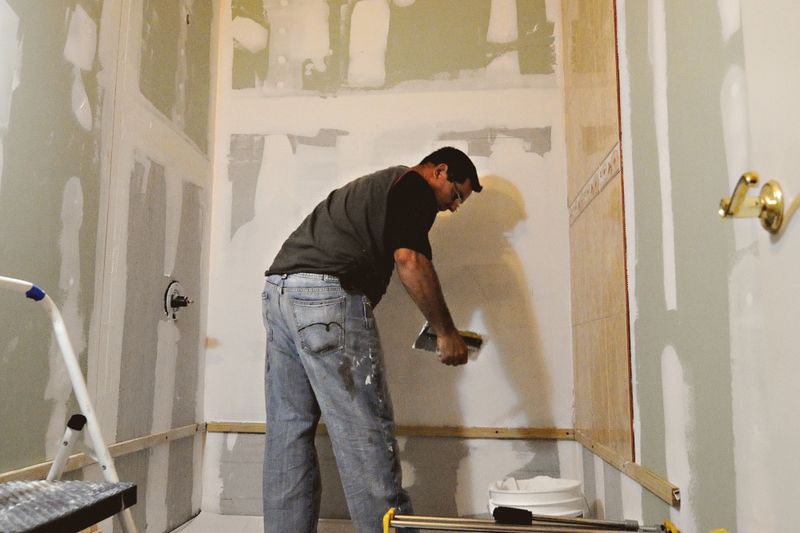
Choosing the right contractor can significantly affect both project quality and budget performance. The lowest bid is not always the best value, particularly if it results in delays, poor workmanship, or additional repairs later.
Take time to thoroughly evaluate potential contractors before making a decision.
Important steps include:
- Request multiple quotes
- Comparing estimates helps identify reasonable pricing.
- Check references
- Previous clients can provide valuable insights.
- Verify licensing and insurance
- Proper credentials protect homeowners from liability.
- Review past projects
- Examining completed work demonstrates quality standards.
- Clarify expectations
- Detailed contracts reduce misunderstandings.
A reliable contractor helps keep the project on schedule and minimizes costly errors.
How Can You Avoid Overspending During Construction?
Even well-planned renovations can experience budget creep if spending is not carefully monitored throughout the project.
Maintaining financial discipline requires ongoing attention and consistent decision-making. Small upgrades may seem insignificant individually, but collectively they can dramatically increase total costs.
Strategies for controlling expenses include:
- Track spending regularly
- Compare actual costs against your budget.
- Limit design changes
- Mid-project modifications often increase labor and material expenses.
- Approve purchases carefully
- Avoid impulse upgrades.
- Focus on priorities
- Direct funds toward improvements that provide meaningful value.
- Review invoices promptly
- Early identification of discrepancies prevents larger issues.
Budget management is an ongoing process that continues from planning through project completion.
What Upgrades Deliver the Best Long-Term Savings?
Certain improvements provide benefits beyond aesthetics by reducing maintenance expenses and utility costs over time. While some upgrades require a modest upfront investment, they often generate savings throughout the life of the bathroom.
Cost-saving improvements may include:
- Water-efficient toilets
- Reduce water consumption without sacrificing performance.
- Low-flow showerheads
- Lower utility bills while maintaining comfort.
- LED lighting
- Uses less energy and lasts significantly longer.
- Moisture-resistant materials
- Reduce repair and replacement needs.
- Improved ventilation
- Helps prevent mold and moisture damage.
Prioritizing efficiency can help homeowners enjoy lower operating costs while enhancing comfort and functionality.
Conclusion
A successful bathroom renovation does not require an unlimited budget. Careful planning, thoughtful prioritization, and informed decision-making can transform an outdated space into a functional and attractive room without unnecessary financial strain. By establishing realistic spending limits, maintaining the existing layout where possible, selecting cost-effective materials, and focusing on improvements that provide lasting value, homeowners can achieve impressive results while controlling costs.
The key is to approach every decision with a clear understanding of both immediate expenses and long-term benefits. With patience, preparation, and smart budgeting, a bathroom renovation can become a rewarding investment that enhances everyday living for years to come.